Gold remains gold, and therefore, two objects which have approximately equal quantities of it should be of equal value. While this seems like a logical assumption at the outset, the truth is that an old jewellery and a gold bar can end up with completely different valuations despite having the same approximate weight.
The distinction can be made on the basis of what is being evaluated. In the case of investment-grade bullion, factors like purity, weight, the gold price in the current market scenario, and marketability become important issues. The jewellery category is more complex due to the fact that its evaluation could include the gold content, alloys, gems, design, condition, and resale potential. This will enable you to have realistic expectations when buying and selling gold.
Investment-Grade Gold Is Designed Around Precious-Metal Content
Gold bullion products that are considered investment-grade, such as known gold bars and coins, are usually produced in terms of weight and purity standards. These products are meant to serve the purpose of owning physical gold, rather than being produced as jewellery.
A bullion coin or bar should have markings denoting its weight and fineness, whereas recognised products should be easier to identify for buyers of precious metals. Therefore, their value is normally more directly linked to the current gold spot price, although some premiums, commission, product type, and market conditions will still influence the actual buy and sell prices.
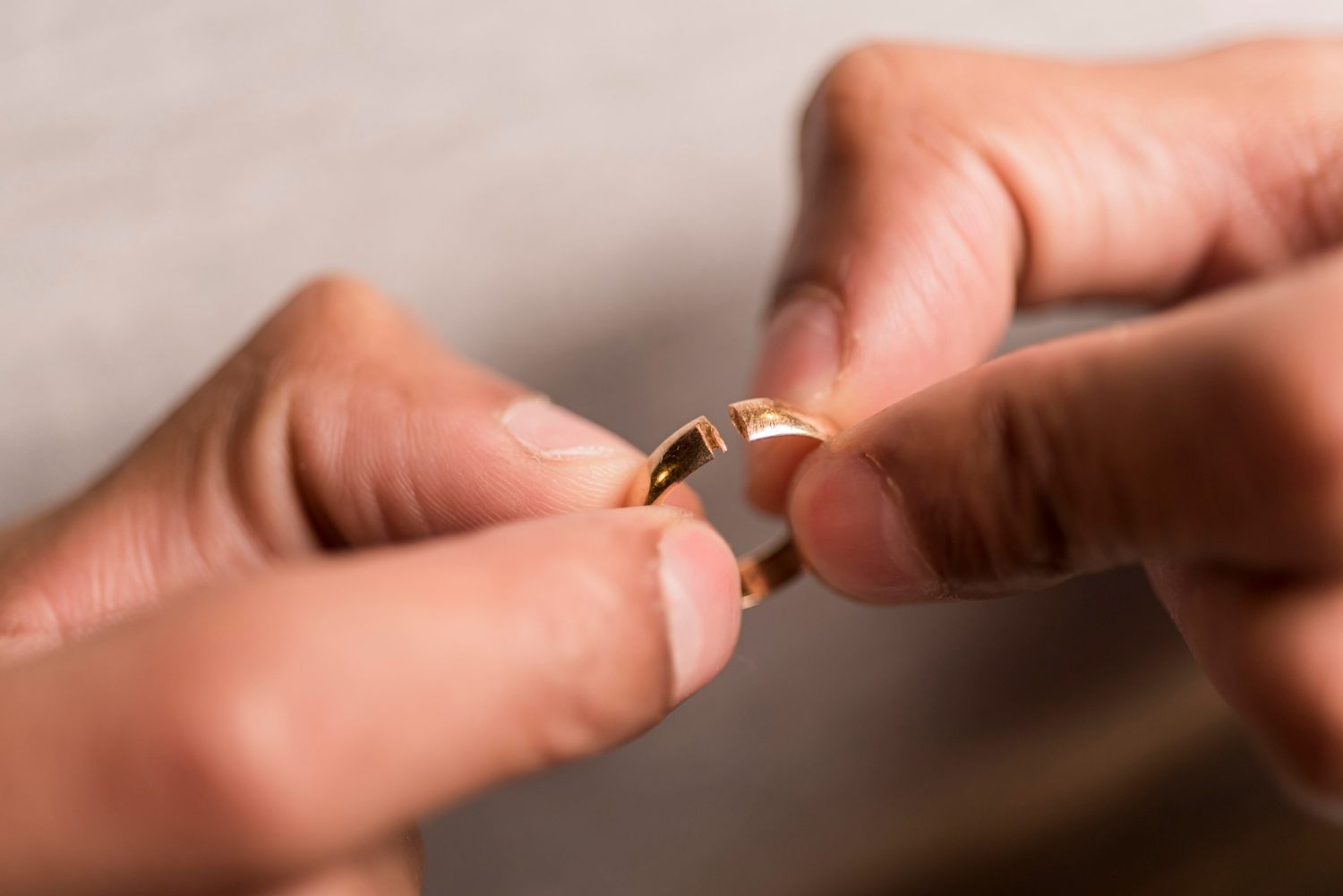
The purpose of Jewellery is quite contrary to this. Jewellery is made for wearing purposes and may be made by combining gold with other metals, gems, workmanship and other adornments. Hence, the gross weight of any jewellery piece cannot always be considered as its gold weight.
Purity Changes How Much Gold You Actually Own
The most significant distinction between jewellery and gold suitable for investment lies in its purity. Gold is quite soft by nature, and hence jewellery is often made by mixing gold with other metals to increase its strength or acquire a certain colour and finish.
Therefore, a jewellery piece weighing 20 grams will not have 20 grams of pure gold in it. This amount is determined by the number of karats or the fineness of the metal. Additional factors such as clasps, solder, embellishments, etc., should be taken into consideration as well.
Bullion that meets investment grade, on the other hand, is often produced at a certain fineness level. This is because the weight and fineness of such bullion are normally standardised and known; hence, it becomes easier to calculate the precious metal content.
Why Jewellery’s Original Price Can Be Misleading
People are sometimes surprised when an old jewellery item is valued below its original purchase price. The reason is that a jewellery store’s retail price can include considerably more than the market value of the gold.
Design work, manufacturing, labour, branding, retail expenses, and profit margins can all contribute to the price paid for a new piece. Those costs do not necessarily transfer to the secondary market when the owner later decides to sell.
For many pieces, a buyer may be primarily interested in the recoverable gold and other valuable components. This means the price originally paid for the jewellery should not be used as a direct indication of its current resale value.
Craftsmanship Can Matter, but Not Always in the Same Way
Fine craftsmanship can make jewellery desirable, particularly when a piece has distinctive design qualities, recognised provenance, historical importance, or strong secondary-market demand. Certain pieces may therefore deserve consideration beyond their melt value.
However, craftsmanship does not automatically guarantee that an item will command a large premium when sold. A design that required substantial labour to manufacture may not necessarily have the same appeal to a second-hand buyer.
This is one reason jewellery should be properly assessed rather than valued using a simple gold-weight calculation. The assessor needs to understand whether the piece is primarily valuable for its precious-metal content or whether additional characteristics could influence its marketability.
Gemstones Need to Be Considered Separately
Jewellery containing diamonds or other gemstones introduces another important variable. A ring weighing 15 grams, for example, may include gold as well as stones and other materials. Using the total weight to calculate its gold value would therefore produce an inaccurate result.
Diamonds and gemstones may have their own value depending on factors such as type, quality, size, condition, and market demand. In some pieces, they can represent an important part of the overall value. In others, the precious-metal content may remain the primary consideration.
An assessment that distinguishes between the gold and the stones provides a much more meaningful picture than simply placing the complete item on a scale.
Condition Affects Jewellery and Bullion Differently
Condition can also influence the way different gold products are evaluated. Jewellery can show signs of wear, damaged clasps, missing stones, repairs, resizing, scratches, or alterations. These factors can affect whether the item has potential for resale as jewellery or is more likely to be valued principally for its components.
Bullion is generally less dependent on aesthetics because its precious-metal content is the primary attraction. Nevertheless, the condition, packaging, authenticity, manufacturer, and type of product can still influence marketability and premiums for certain coins and bars.
This difference reinforces why two gold objects with apparently similar weights should not automatically receive identical valuations.
Marketability Plays an Important Role
Value is not determined by gold content alone. Buyers must also consider how readily an item can be resold or traded.
Recognised investment-grade bullion products can have established markets because buyers generally understand what they are purchasing. A standard gold bullion product with identifiable purity and weight is different from a one-of-a-kind jewellery item whose design may appeal to a much narrower audience.
Old jewellery can consequently follow different valuation paths. Some pieces may have secondary-market appeal, while others may be assessed largely according to recoverable precious metals and gemstones. Historic jewellery may warrant further evaluation because age, provenance, design, and collectability can potentially change the equation.
Testing Is Important When Selling Old Gold
Hallmarks and karat stamps provide useful information, but they should not always be treated as the final word, especially with older jewellery or items of uncertain origin. Pieces may have been repaired or altered during their lifetime, and markings can become worn or difficult to interpret.
Professional purity testing helps establish the actual precious-metal content before a value is calculated. Accurate testing is especially important when dealing with inherited jewellery, mixed collections, unmarked pieces, or items purchased many years ago.
Knowing what an item contains gives sellers a clearer understanding of how an offer is being determined.
Understand the Value of Your Gold With Beck Gold & Silver Brokers
At Beck Gold & Silver Brokers, we know that selling an old piece of jewellery is very different from selling an investment-grade gold bar or coin. That is why we assess precious-metal items according to what they actually contain rather than making assumptions based only on appearance or total weight. Our digital purity testing helps us determine gold content accurately, while diamonds, gemstones, and historic jewellery can also be evaluated where relevant.
With more than 35 years of experience in precious metals, we buy and sell gold and silver bullion and evaluate a wide variety of jewellery and precious-metal items. Whether you have unwanted jewellery, inherited pieces, bullion, diamonds, or gemstones, our goal is to help you understand what you have and how its value is being determined before you make a decision.
Should You Buy Jewellery or Bullion If Your Goal Is Gold Investment?
The answer depends on why you are buying gold. Jewellery provides the enjoyment of wearing a designed object and may carry personal, cultural, or sentimental significance. Its purchase price, however, can reflect costs beyond the underlying gold.
Investment-grade bullion is specifically designed for precious-metal ownership. Its standardised purity and weight can make it easier to understand how much gold you own and how the product relates to the wider gold market.
Neither category needs to be viewed as inherently better. They simply serve different purposes, which is precisely why their values are calculated differently.
Conclusion
An old gold bracelet and an investment-grade gold coin may both contain valuable precious metal, but they are not identical assets. Purity, actual gold weight, gemstones, craftsmanship, condition, collectability, and marketability can all affect how jewellery is assessed, while bullion tends to have a more direct relationship with its verified precious-metal content and the gold market.
Before selling either type of gold, understand exactly what you own. Proper testing and evaluation can separate assumptions from measurable value and help you make a better-informed decision about whether to hold, sell, or further assess your gold.