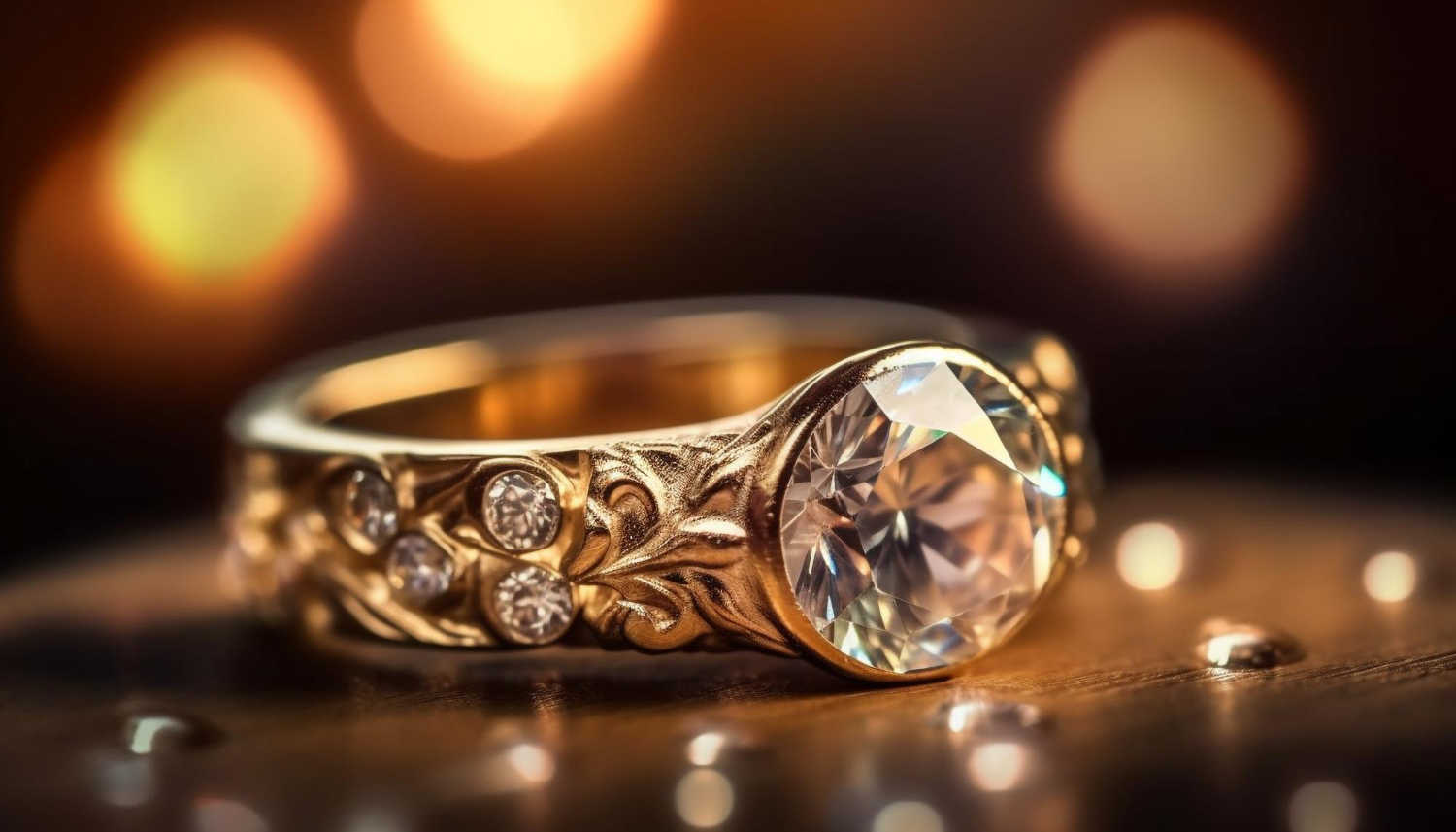
A sale of a gold chain alone is fairly easy to accomplish due to the fact that there are many factors to take into account when valuing such a product, including weight, purity, and the gold market price at that time. However, a sale of diamond rings, a gemstone necklace, or an old brooch could be more difficult. This is because such gold jewellery may consist of many different pieces that will play a different role in determining the value of the item.
For the Canadian seller, it becomes critical to know about this distinction before accepting any offer. The gold, diamonds, colored gemstones, craftsmanship, condition, as well as future resale value can become relevant here. Evaluation can help determine whether the value of your jewellery lies mainly in the precious metal content or if other aspects also warrant evaluation.
The Total Weight Is Not the Gold Weight
The main pitfall while estimating the worth of gemstones and jewellery made from them is considering the overall weight of the product and counting it all as gold. If the ring or pendant weighs 20 grams, it doesn’t mean that there are 20 grams of gold in it.
The other part of this weight could consist of diamonds, gemstones, clasps, setting, or other substances. The gold itself may not even be 24K but perhaps 10K, 14K, or 18K gold or any other purity. The weight of the recoverable precious metal must first be determined before it can be valued.
This is why professional testing is more useful than estimating value from appearance or gross weight alone.
Gold Purity Is Assessed Separately
Most gold jewellery is mixed with other metals to increase its resistance and make it wearable on a daily basis. Consequently, two gold rings having equal weight may have drastically different proportions of gold.
Karat markings give preliminary information about purity levels, but some pieces of jewellery may need to be tested because of their age, repairs, inheritance, or lack of marking. After determining the purity and weight of the jewellery, one can evaluate its precious metal content against the current price level.
Gold prices vary depending on time, which means that the precious metal value of the same jewellery piece also changes.
What Happens to the Diamonds?
Diamonds should not automatically be treated as part of the gold value. Depending on the piece, they may need to be evaluated separately.
Diamond assessment can consider characteristics such as carat weight, colour, clarity, cut, condition, and market demand. Whether a stone has documentation from a recognised grading laboratory may also provide useful information. However, an old retail appraisal or original purchase price does not necessarily represent what the diamond can be resold for today.
Small diamonds used as accents may also be treated differently from a substantial centre stone. The presence of diamonds therefore does not automatically mean that every jewellery item will receive a significant premium over its gold content.
Coloured Gemstones Can Be More Complex
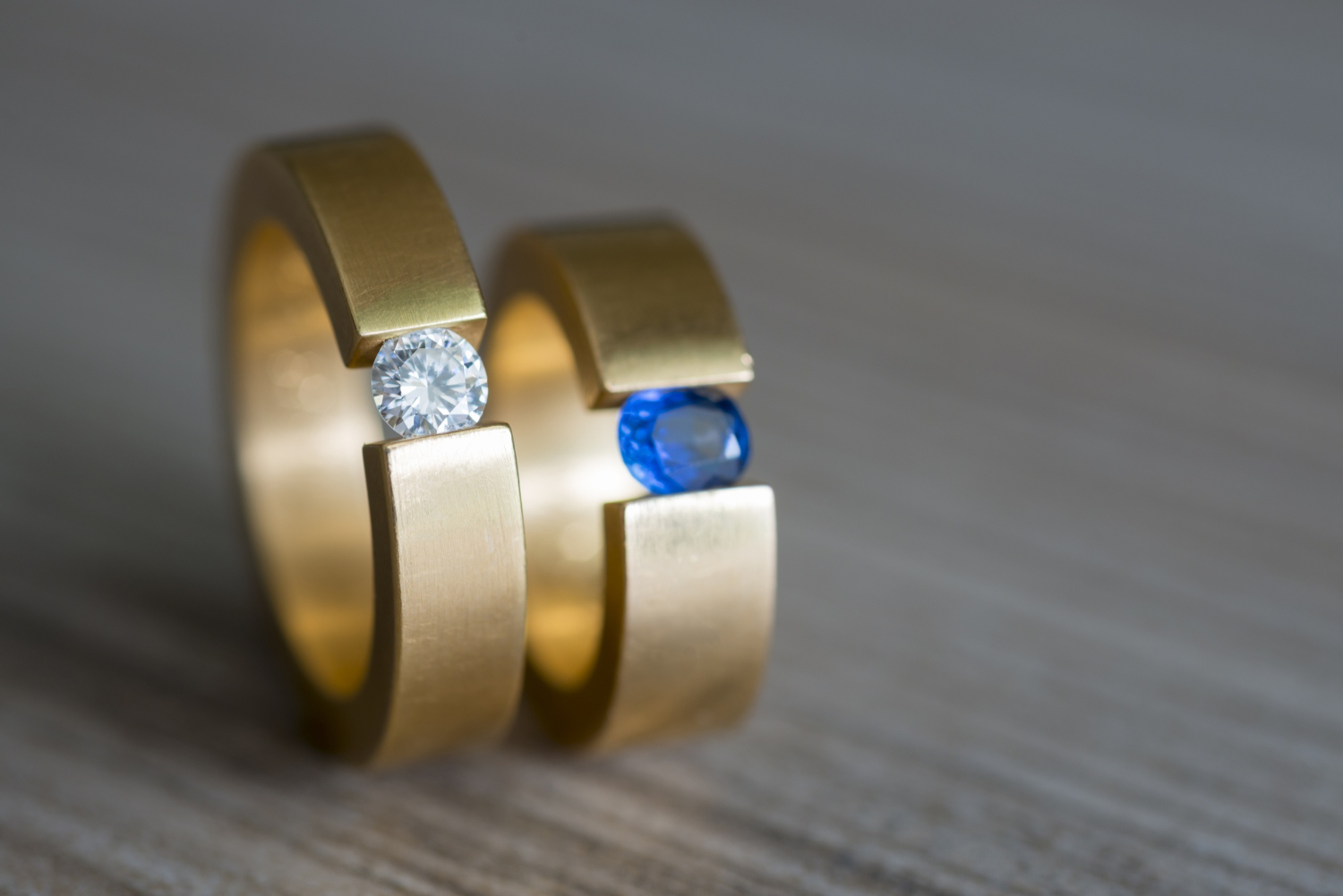
Sapphires, rubies, emeralds, and other coloured gemstones introduce another layer to the evaluation. Their value cannot be reliably determined simply from colour or size.
Gemstone type, quality, treatment, origin where determinable and relevant, condition, size, and current market demand can all influence value. Natural stones may also need to be distinguished from synthetic or imitation materials.
This is particularly important with inherited jewellery because owners may know very little about a piece’s history. A stone that has always been described within the family as a ruby, for example, should not automatically be valued as a natural ruby without appropriate assessment.
Does the Jewellery Design Have Value Too?
Sometimes. Jewellery is not always worth only the sum of its gold and gemstones.
Certain vintage, historic, designer, or particularly well-crafted pieces may have secondary-market appeal as complete jewellery. Age alone, however, does not make an item collectible or valuable. Design, maker, provenance, condition, rarity, and buyer demand can all affect whether the complete piece has value beyond its materials.
For this reason, potentially historic or unusual jewellery should ideally be evaluated before it is dismantled. Once stones are removed or the piece is altered, some of the characteristics that contributed to its appeal may be lost.
Why the Original Retail Price Can Be Very Different
Suppose a diamond ring was originally purchased for several thousand dollars. It is understandable for the owner to expect a resale offer somewhere close to that figure. Jewellery markets generally do not work that way.
The original retail price can incorporate manufacturing, design, branding, store expenses, marketing, and retailer margins in addition to the underlying materials. When the jewellery enters the secondary market, buyers consider what the gold, stones, or complete piece can realistically be resold for.
An insurance appraisal can create similar confusion. An appraisal prepared for replacement or insurance purposes serves a different function from an offer to purchase the jewellery. The figures should not be treated as interchangeable.
Should You Remove the Stones Before Selling Gold Jewellery?
Usually, it makes sense to have the complete piece assessed before making that decision yourself.
Removing stones without first understanding what they are could damage the jewellery or gemstones and potentially eliminate value associated with the intact piece. If the stones have independent value, an evaluator can consider them separately from the precious-metal component.
The objective should be to understand all potentially valuable elements before deciding how the jewellery should be handled.
What About Broken or Damaged Jewellery?
A broken clasp, missing stone, bent ring, or damaged setting does not necessarily mean the jewellery has no value. Gold retains precious-metal value even when the jewellery itself can no longer be worn.
The question is whether the item remains marketable as jewellery or whether its primary value now comes from the recoverable gold and any remaining valuable stones.
Before paying for repairs simply to sell a piece, it can be worthwhile to obtain an assessment. Repair costs do not always translate into a corresponding increase in resale value.
Selling Inherited Diamond and Gemstone Jewellery
Inherited jewellery deserves particular care because you may not know where it was purchased, when it was made, whether the stones are natural, or what karat of gold was used.
Keep any documents that came with the jewellery, including receipts, grading reports, certificates, appraisals, original boxes, and information about its history. Avoid polishing, altering, repairing, or dismantling an unfamiliar piece before having it assessed.
You should also separate sentimental value from financial value. Once you understand what the piece is and what its components may be worth, you can make a more informed decision about whether you genuinely want to sell it.
Have Your Gold, Diamonds and Gemstones Evaluated by Beck Gold & Silver Brokers
At Beck Gold & Silver Brokers, we understand that gemstone-set jewellery cannot always be assessed in the same way as plain scrap gold. With more than 35 years of experience, we evaluate gold and silver as well as diamonds, gemstones and historic jewellery, helping our clients understand the different elements that may contribute to an item’s value.
Our digital purity testing helps us assess precious-metal content, while diamonds, gemstones and unusual or historic pieces can receive the additional attention they require. Whether you have an old engagement ring, inherited jewellery, a gemstone necklace, unwanted gold, or a mixed collection, we can help you understand what you have before you decide whether to sell. With locations serving Edmonton and surrounding communities, Beck Gold & Silver Brokers provides Canadians with an experienced option for evaluating and selling precious valuables.
Know What You Have Before You Sell
Gold jewellery containing diamonds or gemstones should not automatically be treated as a single lump of precious metal. The gold may have one basis of value, the stones another, and the complete jewellery piece may sometimes deserve additional consideration.
Before selling, determine the purity and gold content, identify potentially valuable stones, preserve available documentation, and avoid altering unfamiliar pieces. A careful evaluation can give you a much clearer understanding of what you own and help you make an informed decision when it is time to sell.