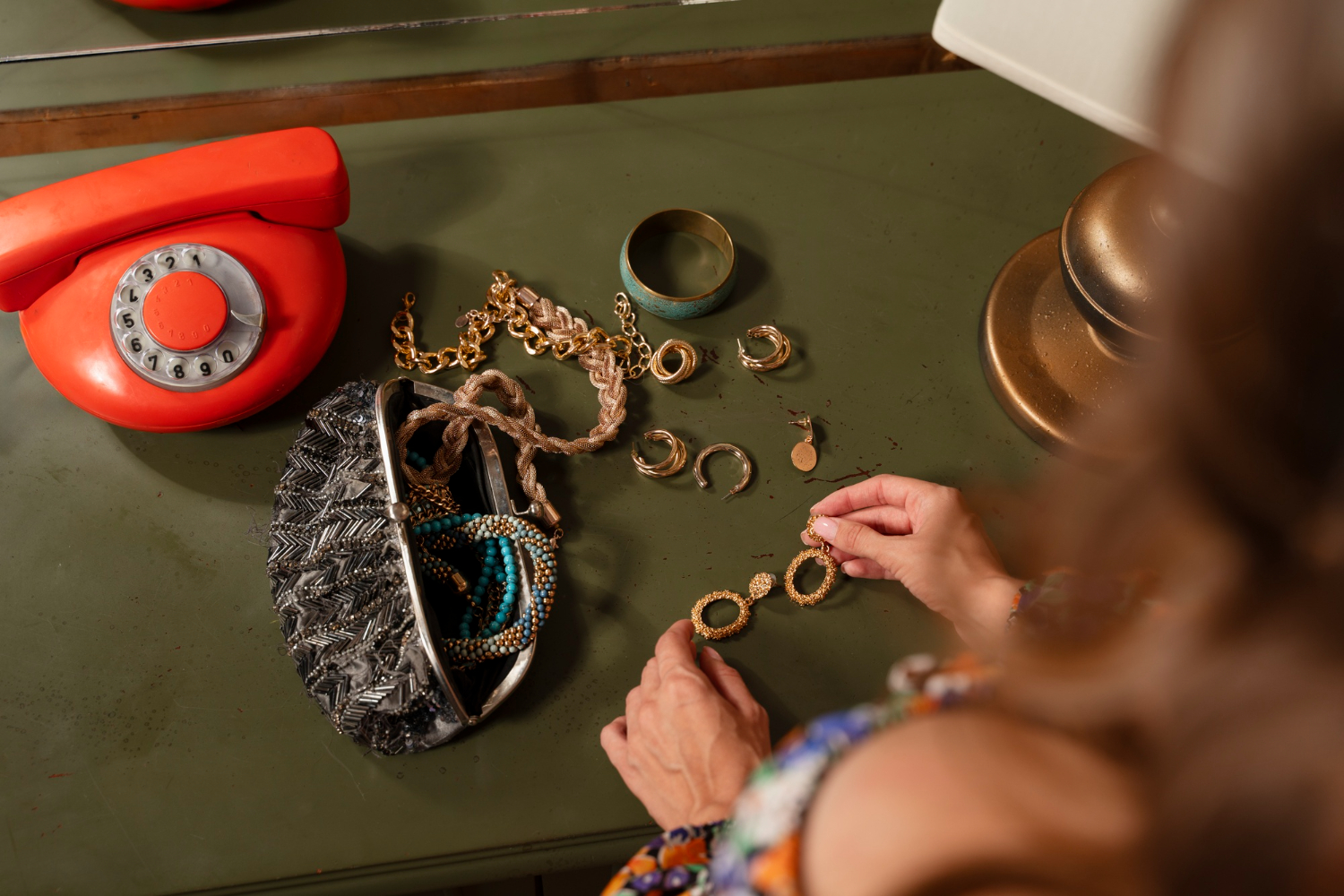
At first glance, the selling of gold may look easy. You bring a chain that doesn’t work anymore, an earring, a bracelet that you find out of date, and so on, and get a price for your gold. In fact, there is always an algorithm for price formation. The factors of the price of scrap gold include its purity, weight, price on the market, and testing.
For the majority of Canadians, their scrap gold can be stored away for many years in their drawers, jewellery boxes, safe boxes, or even their family estates. They may contain broken jewellery, old rings, dental gold, coins, charms, watch parts, or even family hand-me-downs. Although the usefulness of the item may no longer be practical due to its condition, the useful components contained inside the item may have great resale value. It is necessary to know how to assess the value of scrap gold before visiting a precious metal dealer.
What Scrap Gold Actually Means
Scrap gold does not necessarily mean that the gold being discussed here is of low quality and has low value. The meaning of scrap gold is that the gold here is valued according to its metallic worth and not on its design and age. For instance, broken chains, mismatched earrings, an old ring, and even an old pendant can qualify as scrap gold.
The amount of gold that the scrap gold piece holds will dictate the value it has. This is where the term karat becomes very important. Gold is made up of 24 karats, and any addition to this value makes the gold piece stronger. Typical karat values in gold pieces are 10K, 14K, 18K and 22K. The higher the karat, the higher the percentage of gold in the item.
For instance, 10K gold contains less gold than 18K gold. Two rings may have a similar appearance in terms of size; however, in case one ring is 10K gold, while the other is 18K, there will be a huge difference in scrap gold value between them. That is why appearance alone should not be used for the estimation of gold value. There may be colour differences too, since both yellow gold, white gold, and rose gold may have different alloys in their composition and yet have the same karat mark.
Dealers usually classify the items according to the karat number before determining the value. In case the person selling the jewellery has a mixture of different types, they may be analysed and weighed separately.
The Main Factors That Affect Scrap Gold Value
Firstly, the purity of the scrap gold. As discussed above, the purity of gold is in terms of karats. A 24K item is very pure, whereas the 18K, 14K, and 10K items have a lower percentage of gold. With the increase in purity, the amount of gold increases in the item.
Secondly, the weight of the scrap gold. The prices of scrap gold can normally be determined in terms of their weights, in grams or troy ounces. Naturally, the greater the weight of an item of the same karat, the more its value will be. A heavy 10K item may not always be worth more than a lighter 22K item because the gold content is different.
The third factor is the live market price of gold. Gold is traded globally, and its spot price changes throughout the day. In Canada, sellers should pay attention to scrap gold prices in Canada because the payout is usually connected to the gold price in Canadian dollars. A stronger gold market can increase the value of scrap gold, while a weaker market may reduce it.
The fourth factor is deductions and dealer margins. The precious metals trader is obviously not paying full spot prices since refining, processing, business expenses, and profit margins all figure into that equation. That being said, this doesn’t necessarily make it an unfair offer. The key factor here is transparency and the ability to explain how the offer was calculated.
The fifth factor is whether the item has value beyond scrap. Some jewellery, antique pieces, coins, designer items or gemstone-set pieces may be worth more than their metal content. In such cases, gold valuation should consider the complete item, not just the melt value. A good dealer should identify when an item may deserve a closer appraisal rather than being treated only as scrap.
How Dealers Test and Calculate Gold Value
When you visit a dealer to sell scrap gold, the process usually begins with sorting. Items may be grouped by karat, type, and condition. Stamped markings such as 10K, 14K, 18K, 22K, 750, 585 or 417 may be checked, but stamps are not always enough. Older jewellery may have worn markings, incorrect markings, or no visible stamp at all.
Testing is an important part of proper gold valuation. Dealers may use acid testing, electronic testing, XRF testing or other tools to check purity. The goal is to confirm what the item actually contains. This is especially important for mixed lots, estate jewellery, imported pieces, plated items or jewellery that has been repaired over time.
After testing, the items are weighed. Stones, non-gold parts, watch movements, steel springs or other materials may affect the final calculation. If a ring has a large gemstone, for example, the total weight of the ring is not the same as the gold weight. The dealer may need to account for that before making an offer.
The basic calculation usually follows this structure: purity, multiplied by weight, multiplied by the current gold price, adjusted for the dealer’s buying rate. While the exact formula may vary between businesses, the principle is the same. The seller should be able to understand how the offer relates to gold content and current market pricing.
This is where transparency matters. A professional precious metal dealer should be willing to explain the weight, karat, market price used, and buying percentage. Sellers should not feel rushed or confused. If the process feels unclear, it is reasonable to ask for the items to be weighed in front of you and for the pricing method to be explained.
What Sellers Should Check Before Visiting a Dealer
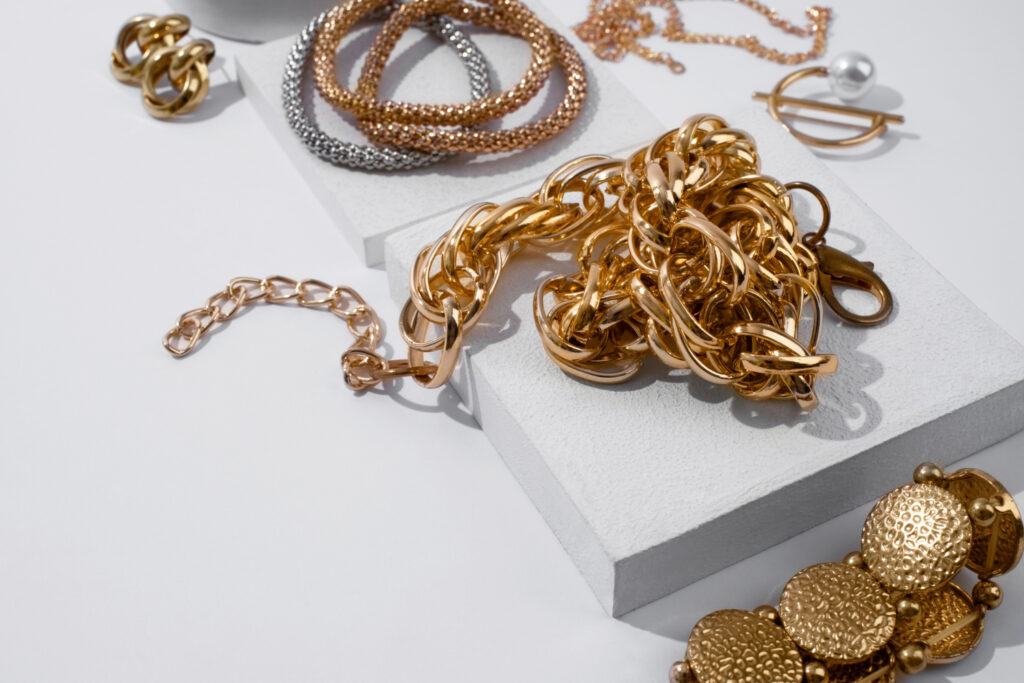
Before you sell scrap gold, it helps to do a little preparation. Start by gathering all gold items in one place. Include broken jewellery, outdated pieces, single earrings, damaged chains, rings, charms, dental gold, coins or inherited items. Even small pieces can add up when sold together.
Next, look for karat markings. They are commonly found on the interior of rings, clasps, pendants, and sometimes bracelets. Popular Canadian marks used on jewellery include 10K, 14K, and 18K. European hallmarks 417, 585, and 750 could also be seen on some jewellery pieces. These marks can tell you something about purity, although additional testing would always be needed.
It would also be wise to identify those that could be considered antiques, designer jewellery, or have gemstones on them. There will be many items that cannot simply be scrapped because of the gold content. If there are Diamonds or coloured gems in your gold items, or if it has been created by a famous designer, inquire whether it needs a separate appraisal.
Check the current gold market before visiting. You do not need to become a bullion expert, but knowing the approximate spot price can help you understand whether the offer seems reasonable. Since gold prices move, the quote you receive may depend on the market at the time of sale.
Finally, pick your dealer wisely. Choose a company with a physical office location, sound pricing policy, correct testing technique, good local reputation and familiarity with gold, silver, and jewellery. A reputable dealer makes you feel comfortable about the whole process and not pressured while selling. Gold is money after all, and hence every seller must be kept informed about the whole process.
There is no fixed payout rate for scrap gold as each piece varies from another. A small 18 K ring, a heavy 10 K chain, an old damaged bracelet and a gemstone-encrusted pendant are going to be priced differently. The best thing that can be done in order to sell scrap gold successfully is to know the basics and then ask clear questions.
Ready to Find Out What Your Gold Is Worth?
Beck Gold & Silver Brokers is committed to helping clients make money selling gold at reasonable prices with the proper assessment and explanation of the gold. Our professionals will be able to evaluate any type of gold, such as broken jewellery, scrap gold, silver, coins, diamonds, gems, or inheritance.
Our Beck Gold & Silver Brokers are located in Alberta in various locations such as Downtown Edmonton, West Edmonton, Sherwood Park, St. Albert, Leduc, and many more. Bring in your valuables today and turn unused gold into cash with confidence.