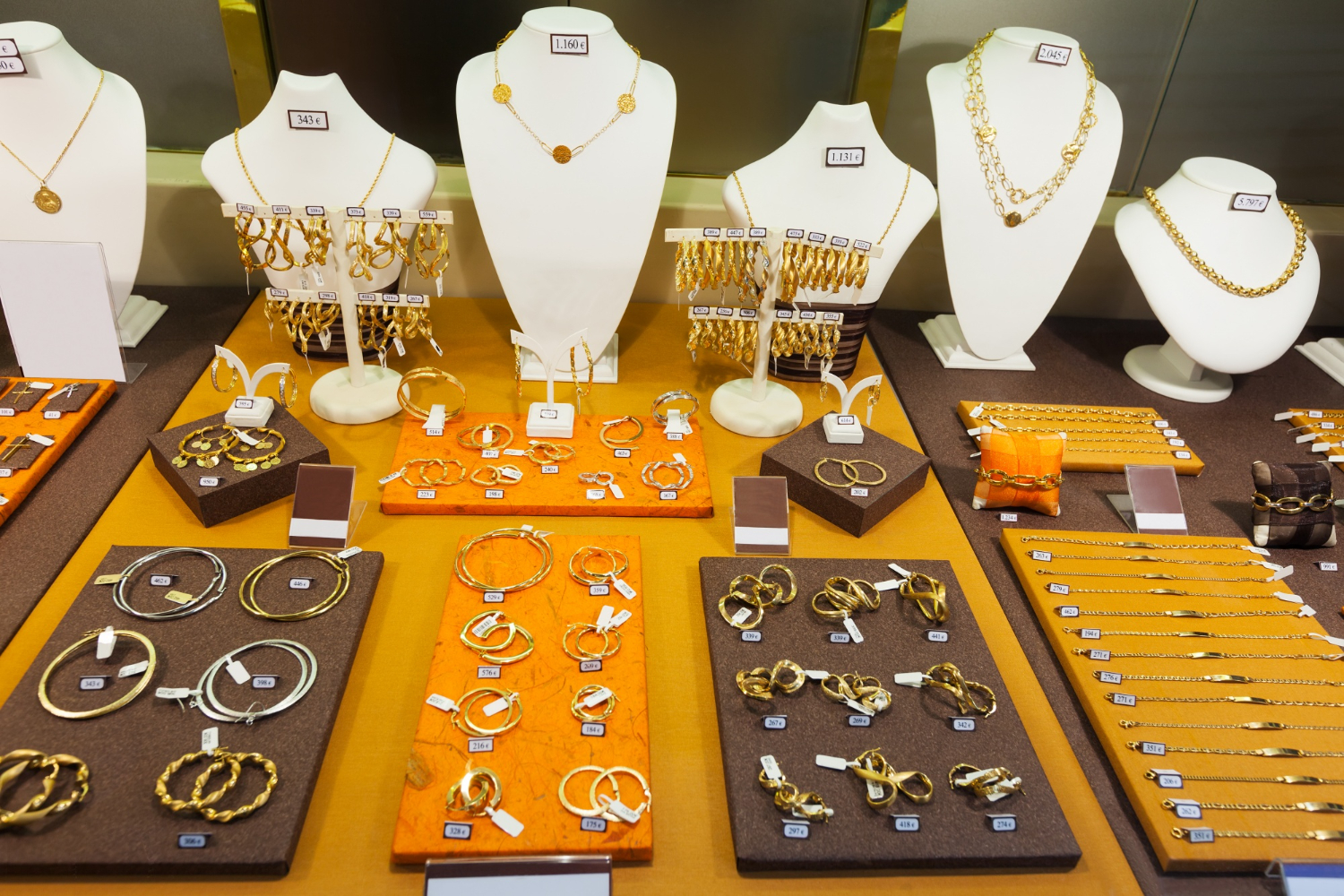
An old gold chain with a broken clasp, a single earring without its pair or a ring that has been sitting unworn for years may still have value. Even when jewellery is damaged, outdated or no longer wearable, the gold itself does not simply become worthless.
The important question is how much actual gold the item contains. When people sell gold jewellery in Canada, factors such as purity, weight and the current gold market all help determine its value as scrap gold. Understanding these basics before visiting a buyer can make the selling process much easier to follow.
How Do You Know If Jewellery Is Real Gold?
One of the first places to look is the hallmark or purity stamp. These markings are commonly found inside rings, near the clasp of a necklace or bracelet, or on the back of other jewellery pieces.
You may see markings such as:
- 10K
- 14K
- 18K
- 22K
- 24K
- 417
- 585
- 750
- 916
Karat markings indicate how much of the metal is gold. Pure gold is 24 karat, while lower-karat jewellery contains gold mixed with other metals. For example, 18K gold contains a higher proportion of gold than 10K gold.
Numbers such as 585 and 750 communicate purity in another format. A 585 marking generally represents 58.5% gold, while 750 represents 75% gold.
A stamp is useful, but it should not always be treated as final proof of purity. Jewellery can be incorrectly marked, altered or made from plated materials. Professional testing provides a more reliable assessment of what the item actually contains.
Does Higher-Karat Gold Jewellery Have More Value?
If two pieces have the same weight, the one with the higher gold purity will generally contain more gold.
This is why karat matters when determining gold jewellery value. A 20-gram 18K bracelet, for example, contains more pure gold than a 20-gram 10K bracelet.
The relationship can be understood simply:
Higher purity + greater weight = more actual gold content
However, weight and purity need to be considered together. A lightweight 18K item may contain less total gold than a much heavier 10K piece.
This is also why estimating value from appearance alone is unreliable. A large piece of jewellery may be hollow or made from a lower-karat alloy, while a smaller item may be relatively heavy and have higher purity.
Does the Weight of Gold Jewellery Matter?
Yes. Weight is one of the main factors used when assessing jewellery for its precious metal content.
Gold buyers typically weigh an item and consider its purity to estimate the amount of actual gold it contains. Jewellery can include materials other than gold, however, which is why the total weight shown on a household scale does not necessarily represent the amount of payable gold.
An item might contain:
- Gemstones
- Non-gold clasps or components
- Other metals
- Decorative materials
- Non-precious components
A professional assessment can account for these differences.
It is also useful to remember that jewellery is often relatively light. Small differences in weight can therefore affect the final calculation, making accurate weighing equipment important.
Does Damaged or Broken Gold Jewellery Still Have Value?
Often, yes.
If jewellery is being purchased for its gold content, its condition may be far less important than its purity and weight. A broken chain still contains gold. So can a bent ring, damaged bracelet or unmatched earring.
Items people may consider having assessed include:
- Broken chains and necklaces
- Bent or damaged rings
- Single earrings
- Old bracelets
- Unwanted gold jewellery
- Jewellery that no longer fits
- Pieces that are no longer worn
This is one reason it can be worthwhile to have old jewellery evaluated rather than assuming damaged pieces have no value.
The situation can be different for jewellery with collectible, antique, designer or significant gemstone value. In those cases, the item may potentially be worth more than its precious metal content alone, so understanding what you own before selling it solely as scrap can be important.
How Is the Value of Scrap Gold Calculated?
The value of scrap gold is primarily connected to three things: purity, weight and the current market price of gold.
A simplified way of thinking about it is:
Weight × gold purity × applicable gold value
Suppose two rings both weigh the same amount. If one is 10K and the other is 18K, the 18K ring contains more pure gold and would therefore have a higher underlying gold content.
Market price matters because gold prices change. An item assessed at one point in time may have a different underlying metal value when gold prices rise or fall.
The amount a buyer offers will not necessarily equal the full market value of the pure gold contained in the item. Buyers have business and processing costs, so sellers should distinguish between the underlying metal value and the actual purchase offer.
Can You Calculate Gold Jewellery Value at Home?
You can make a rough estimate if you know the item’s weight, purity and current gold price. However, an at-home calculation has limitations.
A kitchen or bathroom scale may not be precise enough for small jewellery pieces. A hallmark may not accurately represent the item’s actual purity, and the total weight may include stones or other materials.
If you want to make a basic assessment before visiting scrap gold buyers, start by:
- Looking for a karat or purity stamp
- Separating items by their markings
- Identifying obvious non-gold components
- Checking the current market price of gold
- Avoiding assumptions based solely on colour or appearance
This can give you a better understanding of what you own, but professional testing and weighing are still needed for a more accurate valuation.
Does Gold-Plated Jewellery Have the Same Value as Solid Gold?
No. Gold-plated jewellery is very different from solid gold jewellery.
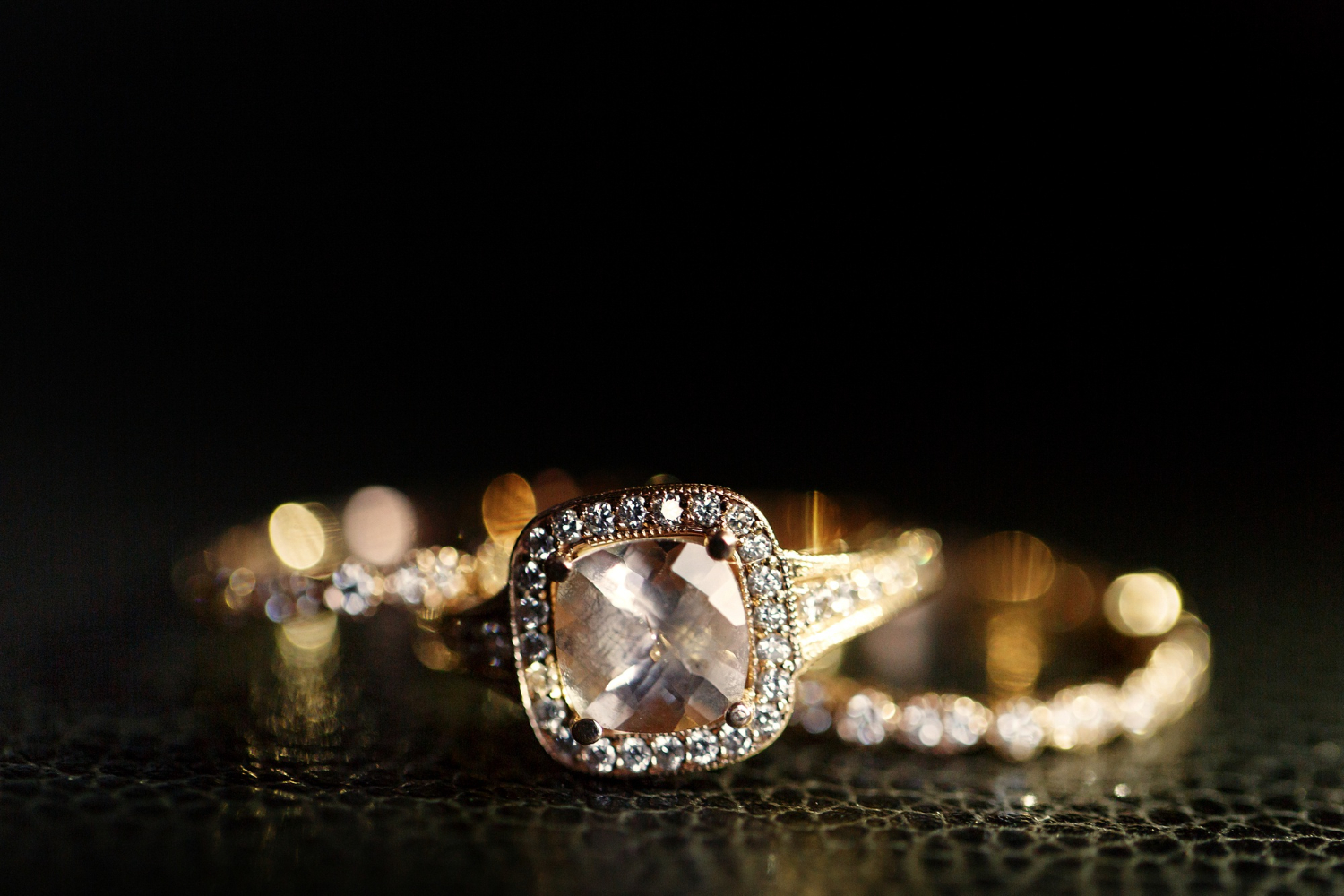
A plated item has only a thin layer of gold applied over another base metal. Because the amount of gold is small, its precious metal value is generally very different from an item made from a gold alloy throughout.
Terms and markings can sometimes be confusing, particularly on older jewellery. This is another reason testing matters. Appearance alone cannot reliably tell you whether an item is solid gold, gold-filled, plated or another material.
If you are unsure, avoid damaging the jewellery by attempting aggressive home tests. A professional assessment can determine the metal content without relying solely on visual inspection.
What Should You Ask Before Selling Gold Jewellery?
You should understand how the buyer arrives at the offer before deciding whether to sell.
Useful questions include:
- How was the purity determined?
- What does the item weigh?
- Are different karats being assessed separately?
- How does the current gold price affect the valuation?
- Are stones or other non-gold components excluded?
- Is there any obligation to sell after the assessment?
- How is the final purchase offer calculated?
A transparent assessment should make it easier to understand why a particular piece has been valued the way it has.
Where Can You Have Gold Jewellery Assessed?
Beck Gold & Silver Brokers has more than 35 years of experience buying and selling precious metals in Alberta. We use digital bullion testing technology to assess precious metals and provide appraisals for customers looking to better understand what their items contain.
Whether you have broken jewellery, unwanted gold pieces or items you simply no longer wear, an assessment can help determine their precious metal content before you decide whether selling makes sense.
Contact or visit Beck Gold & Silver Brokers to have your gold jewellery evaluated and learn more about its potential value.