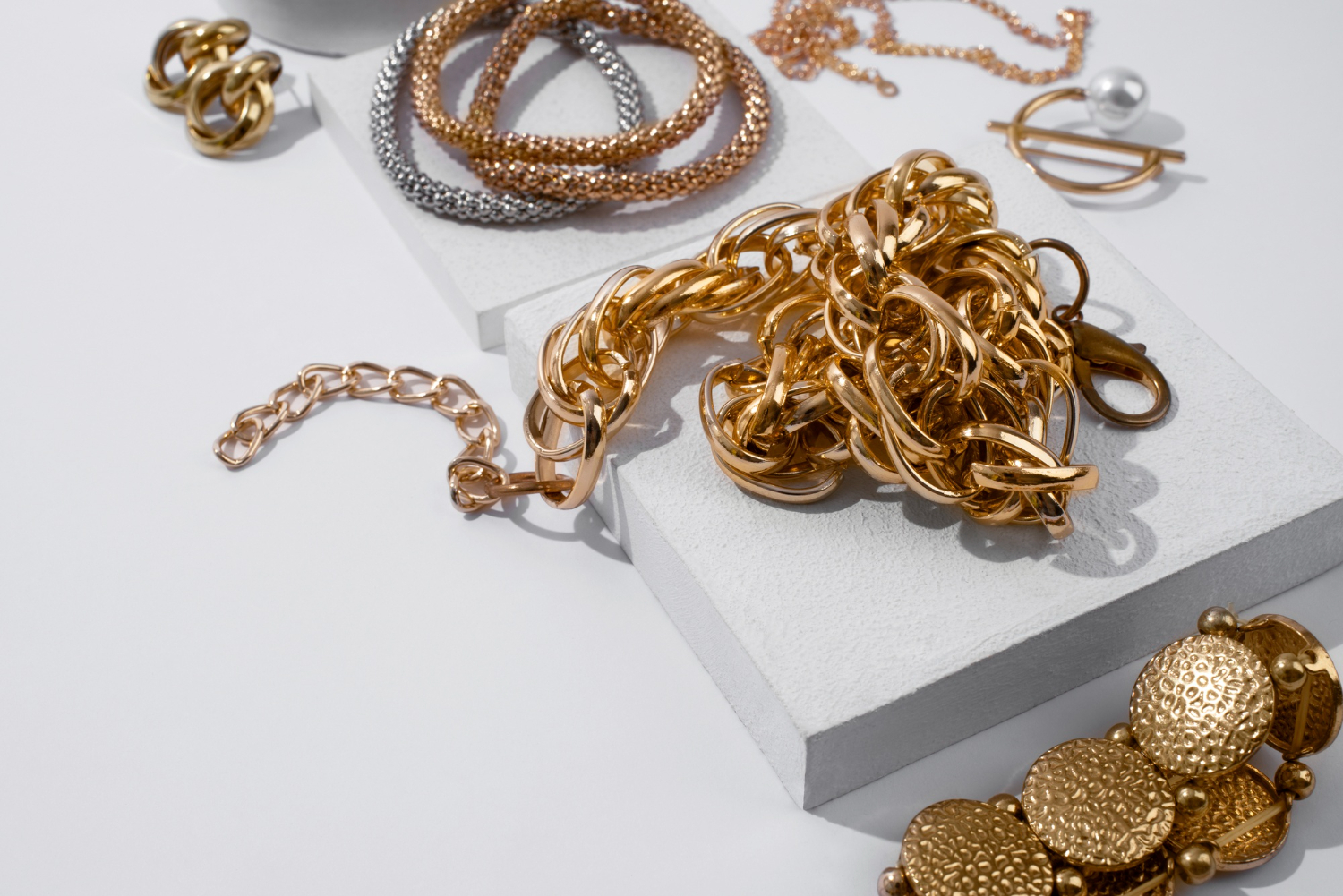
An antique gold necklace, a damaged bracelet, or an old ring could be of high worth even after years of neglect. Though jewellery has sentimental value attached to them, most end up in a drawer or jewellery box after some time. The selling of such jewellery would prove to be a profitable decision for someone looking to make a return on the gold that he or she no longer uses. Unfortunately, most individuals are unaware of what happens during the buying process of gold jewellery.
For anyone considering selling gold jewellery in Edmonton, understanding the evaluation process can help establish realistic expectations and make the transaction more transparent. From the initial inspection and purity testing to weighing and calculating an offer, each stage contributes to determining what a dealer is prepared to pay. Knowing how the process works can also help sellers recognize when an item may have additional value beyond its gold content.
What Happens When You First Visit a Gold Buyer?
The process generally begins with an initial examination of the jewellery you want to sell. A precious metals dealer will inspect the items to understand their construction, condition and apparent metal composition. This may involve checking purity markings, examining clasps and identifying gemstones or other components that could affect the evaluation. Sellers can usually bring several pieces together, including necklaces, rings, bracelets, earrings and damaged jewellery.
At this point, the dealer might sort out the items depending on the amount of gold they seem to have or any other feature before weighing and testing them. This process aims at identifying the content of each item without guessing the worth based on how it looks. For instance, there could be two necklaces that are nearly identical but contain varied amounts of gold due to varying levels of purity, weight or construction. An initial inspection helps determine which testing methods are appropriate and whether any items require additional evaluation.
Does Gold Jewellery Need to Be in Good Condition to Sell?
Gold jewellery need not be in good condition to be valued. In some cases, when the item was purchased based on the precious metals contained within, the weight and purity of the metal matter much more than its appearance. An old broken chain, a malfunctioning clasp, a bent ring, or even a pair of mismatched earrings can contain gold that can be retrieved.
For people looking to sell unwanted gold jewellery, this distinction is particularly useful. Pieces that are no longer fashionable, comfortable or suitable for everyday wear may still have value based on their gold content. However, condition becomes more relevant when an item has potential resale or collectible value. An antique ring, designer bracelet or unusual piece of jewellery may be worth assessing separately before it is treated as scrap gold.
How Do Gold Buyers Determine the Purity of Jewellery?
Gold purity is one of the main factors used to calculate the value of jewellery sold for its metal content. Pure gold is described as 24 karat, while most jewellery contains gold mixed with other metals to improve durability or achieve a particular colour. For example, 18-karat gold contains 75% gold, while 14-karat gold contains approximately 58.3% gold. Two pieces weighing the same amount can therefore have significantly different metal values if their purity levels differ.
The dealer usually starts with the inspection of hallmarks or stampings that may denote the purity of gold. These markings include 10K, 14K, 18K, 417, 585 and 750. It should be noted that the above-stated marks are not an indication of purity as they are not always reliable and accurate. In order to ascertain the composition of the metal, one needs professional examination.
What Testing Methods Are Used to Evaluate Gold Jewellery?
Precious metals dealers may use different testing methods depending on the jewellery and the equipment available. One commonly used technique is X-ray fluorescence, or XRF testing, which examines the elemental composition of a material’s surface. This method can provide useful information about the metals present without requiring destructive sampling. Other approaches may include electronic testing or traditional acid testing, particularly when additional verification is needed.
Each approach has its drawbacks, and this is why it is necessary to consider both the testing results and the item’s markings and physical properties. For instance, the surface testing technique can fail to provide enough information about the composition of an item because it has plating that covers other metals underneath the surface. Some approaches to testing can also result in leaving marks on the piece of jewellery or having contact with it. Sellers should understand the proposed testing procedure before agreeing to any method that could affect the condition of their jewellery.
How Is Gold Jewellery Weighed Before Selling?
After examining the jewellery and assessing its purity, the dealer determines its weight. Gold jewellery is commonly weighed in grams, although precious metal market prices are frequently quoted per troy ounce. One troy ounce equals approximately 31.1035 grams, making it important to distinguish between the different measurement units when comparing prices. Accurate weighing is essential because even small differences can affect the value of higher-purity gold.
The total weight of a jewellery piece may not always represent its actual gold content. A ring containing a large gemstone, for example, weighs more than the gold used in its setting. Similarly, necklaces and bracelets may include non-gold components, decorative inserts or parts made from different metals. Dealers may need to account for these elements when estimating the recoverable gold weight. Understanding which weight is used in the calculation can help sellers interpret the offer they receive.
How Is the Purchase Offer for Gold Jewellery Calculated?
A gold buying offer generally depends on the weight of the recoverable gold, its purity and the prevailing market price. The dealer first estimates the amount of pure gold contained in the item. For example, a 10-gram piece of 18-karat jewellery contains approximately 7.5 grams of gold, assuming its stated purity is accurate, and the measured weight consists entirely of that alloy. The estimated fine gold content can then be valued using the relevant gold market price.
Nevertheless, the market value of the gold does not guarantee the actual price at which a dealer will purchase it. Purchase prices could take into account such factors as refining costs, testing costs, overheads, and profit margins of the dealer. Moreover, different firms might have different purchasing strategies, causing differences in bids. Buyers ought to know how to distinguish between the market value of gold and the price that one can obtain from the sale of jewellery.
Why Is the Selling Price Different From the Original Purchase Price?
Many sellers are surprised when the amount offered for their jewellery is lower than its original retail price. This happens because the purchase price of jewellery typically includes more than the value of its precious metal content. Design, manufacturing, craftsmanship, branding, gemstones, retail expenses and profit margins may all contribute to the amount paid at a jewellery store. These costs do not necessarily translate into equivalent resale value.
When ordinary jewellery is purchased for its recoverable gold, the dealer generally focuses on the metal content rather than the original retail price. A necklace purchased several years ago may therefore receive an offer based on its current gold value, even if its original price was substantially higher. Market movements can also influence the amount offered. Understanding the difference between retail pricing and precious metal buying helps sellers evaluate offers without assuming that the original purchase price represents the item’s current resale value.
Is Selling Scrap Gold Different From Selling Valuable Jewellery?
The line that separates scrap gold from valuable jewellery is drawn based on the presence of any intrinsic value that goes beyond just the metal itself. For the most part, scrap gold includes those items that were bought mainly for the sake of their metal value, no matter what they were made for originally. This can include broken chains, rings, and jewellery that does not have much resale value. Their value is largely determined by purity, recoverable weight and current precious metal prices.
However, some jewellery may attract buyers because of its craftsmanship, rarity, brand, age or historical significance. Antique jewellery, recognized designer pieces and certain collectible items may command prices above their underlying metal value. Gemstones can also contribute to value, although their resale potential varies considerably. Before selling an unusual or potentially collectible piece as scrap, it may be worthwhile to seek an independent specialist opinion to determine whether another selling method would be more appropriate.
What Is the Difference Between a Gold Buying Evaluation and an Appraisal?
A gold buying evaluation and a formal jewellery appraisal may produce different figures because they serve different purposes. A dealer’s evaluation generally establishes what the business is prepared to pay for an item under its purchasing terms. An insurance replacement appraisal, on the other hand, estimates the cost of replacing the jewellery with a comparable item. This amount may reflect retail replacement costs rather than what the original piece could achieve in a resale transaction.
For anyone researching gold jewellery appraisal in Alberta, understanding the purpose of the valuation is essential. Estate, fair market value and insurance appraisals may each use different assumptions and methodologies. An insurance appraisal should not be interpreted as a guaranteed selling price, just as a dealer’s purchase offer should not automatically be considered a formal appraisal. If a piece has potential antique, designer or gemstone value, obtaining an appraisal suited to the intended purpose may help clarify its worth.
Should You Compare Offers From Different Gold Buyers?
Comparing offers can be useful, particularly when selling several items or jewellery containing a substantial amount of gold. Precious metal prices fluctuate, and dealers may apply different buying rates, margins and evaluation procedures. However, a high advertised rate does not always mean the seller will receive the highest final payment. The quoted amount may depend on purity, weight, deductions or conditions that are not immediately obvious.
When comparing gold buyers in Edmonton, sellers should consider the transparency of the evaluation process as well as the final amount offered. Ask how purity was established, which weight was used and whether any fees or deductions apply. It is also helpful to confirm whether the quotation is based on the current market price and how long the offer remains valid. A clear explanation allows sellers to compare transactions more meaningfully rather than relying solely on advertised buying rates.
Can You Sell Gold Jewellery Without the Original Receipt?
There are occasions when gold jewellery can be appraised even without the bill of sale of the item, since dealers will be able to tell whether it contains the metal just by looking at and analysing it. The absence of the bill of sale doesn’t necessarily mean that the dealer will not make an offer. In such instances, however, it is important for sellers to provide additional information like identification documents. Sellers should confirm these requirements before visiting, particularly if they are planning to sell several valuable items.
Original receipts, certificates and supporting documents can still be useful in certain situations. For example, documentation may help establish the history or authenticity of designer jewellery, antique pieces or items with recognised gemstones. These records may be less important when ordinary jewellery is being purchased solely for its gold content. Nevertheless, keeping any available documentation together can make the evaluation process easier and help the seller answer questions about the item.
What Should You Know Before Accepting a Gold Buying Offer?
Before accepting an offer, sellers should understand how the dealer arrived at the quoted amount. This includes confirming the purity assigned to each item, the weight used for valuation and any deductions that affect the final payment. If several pieces are being sold together, requesting an explanation of how they were grouped or evaluated can help avoid confusion. It is also important to confirm the payment method and whether the transaction becomes final once the sale is completed.
Sellers should be particularly cautious about rushing a decision when they are uncertain about an item’s value. Jewellery with sentimental significance, unusual craftsmanship or possible collectible demand deserves additional consideration. If the offer is lower than expected, asking questions or seeking another evaluation may provide useful context. Understanding how to sell gold for cash involves more than finding a buyer; it also means knowing what is being sold and feeling comfortable with the terms of the transaction.
How Can You Prepare Jewellery Before Visiting a Dealer?
Preparing jewellery for evaluation does not usually require professional cleaning, repairs or alterations. Start by gathering the pieces you are considering selling and separating any items you are unsure about. Checking for visible purity markings can provide some initial information, although those markings will still need verification. If you have receipts, certificates or previous appraisals, bring them along in case they help explain an item’s history or characteristics.
It can also be useful to review the current gold market price before visiting a dealer. This provides a general reference point, although it should not be treated as the amount you will receive for jewellery. Avoid harsh cleaning chemicals, abrasive polishing or attempts to remove gemstones yourself, as these actions could damage the item. If a piece appears antique or potentially valuable beyond its gold content, consider obtaining specialist advice before agreeing to sell it for scrap.
Sell Gold Jewellery With Beck Gold & Silver Brokers
Selling gold jewellery involves several steps, from the initial inspection and purity testing to accurate weighing and calculating a purchase offer. Understanding these stages helps sellers recognize how precious metal value is determined and why the final amount may differ from the original retail price. It also provides an opportunity to identify jewellery that may deserve a separate appraisal because of its craftsmanship, gemstones or collectible significance.
Beck Gold & Silver Brokers has more than 35 years of experience in the precious metals industry, serving customers in Alberta who want to buy or sell gold, silver and other precious metals. The company offers precious metals testing and buying services, helping customers evaluate unwanted jewellery and understand its potential metal value.
Whether you have a broken necklace, unused rings or several pieces you no longer wear, obtaining an informed evaluation can help you decide whether selling is the right choice. Visit Beck Gold & Silver Brokers to learn more about its services and explore your options for selling gold jewellery in Edmonton.